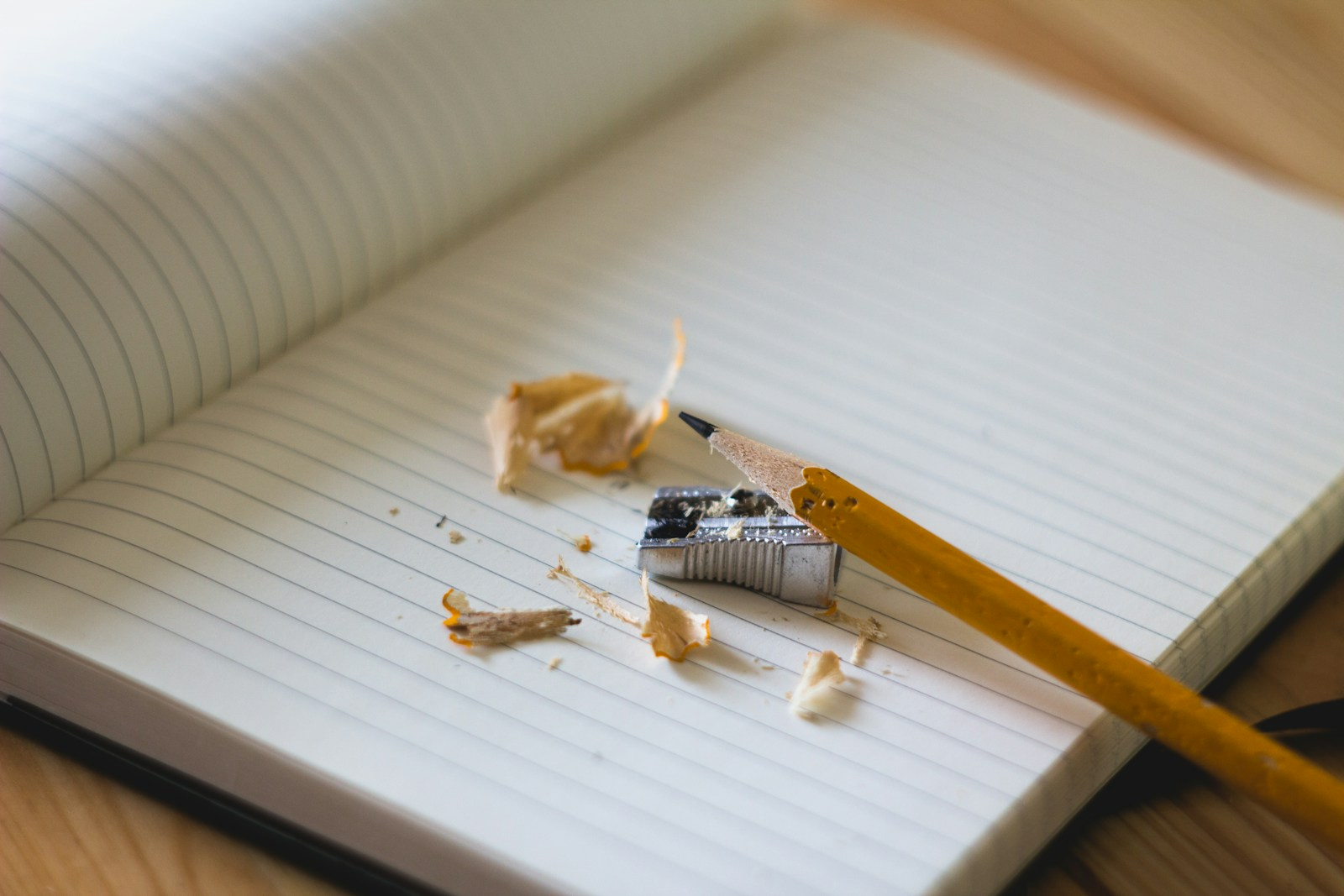
There is something intimidating about a blank page.
Before a single word is written, the story feels perfect in your head. The characters are vivid. The scenes are emotional. The dialogue sounds natural. The plot makes sense. Then you sit down to write, and somehow the beautiful idea in your mind turns into awkward sentences, flat dialogue, confusing scenes, and paragraphs that do not sound anything like what you imagined.
That is when many writers start to panic.
They think, Maybe I’m not good at this. Maybe this story isn’t working. Maybe I’m wasting my time.
But here is the truth every writer needs to hear: first drafts are supposed to be messy.
A messy first draft is not a sign that you are failing. It is a sign that you are writing.
A First Draft Is Not the Finished Product
One of the biggest mistakes new writers make is expecting the first draft to look like a polished book. But published novels, essays, short stories, and blog posts do not start out clean and perfect. They go through revision, editing, cutting, rewriting, rearranging, and polishing.
The first draft is not where you make everything beautiful. It is where you get the idea out of your head and onto the page.
Think of it like building a house. You would not decorate the living room before the foundation is poured. You would not hang curtains before the walls are finished. Writing works the same way.
Your first draft is the foundation. It may look rough, unfinished, and chaotic, but it gives you something to build on.
Messy Drafts Help You Discover the Story
Sometimes you do not truly know what your story is about until you start writing it.
You may begin with one idea and discover a better one halfway through. A side character may become more important than you expected. A scene you thought would be small may reveal something powerful. A plot twist may appear that you did not plan.
That does not mean you are doing it wrong. It means your creativity is working.
First drafts give you space to explore. They allow you to figure out your characters, your conflict, your pacing, and your message. If you demand perfection too early, you may block yourself from discovering the best parts of the story.
Messiness gives the story room to breathe.
Perfectionism Can Stop You From Finishing
Many writers never finish because they keep rewriting the beginning.
They write chapter one, then revise it. Then they revise it again. Then they change the opening line. Then they decide the whole chapter is wrong. Before they know it, weeks or months have passed, and they are still stuck at the start.
The problem is not lack of talent. The problem is trying to edit too soon.
When you expect every sentence to be perfect before moving forward, writing becomes exhausting. You lose momentum. You start doubting every choice. Eventually, the story feels impossible.
A messy first draft helps you keep going. It gives you permission to write badly, write awkwardly, write too much, write too little, and keep moving anyway.
You can fix a messy page. You cannot fix a blank one.
Bad Sentences Are Part of the Process
Every writer writes bad sentences.
Every writer creates scenes that do not work. Every writer writes dialogue that sounds stiff. Every writer has moments where the pacing drags, the description feels clunky, or the emotion does not land.
That is normal.
A first draft is supposed to contain weak spots. It is supposed to have repeated words, missing details, confusing transitions, and scenes that may eventually be deleted. Those problems are not proof that the draft is worthless. They are simply places you will return to later.
Writing is not just typing perfect words in the right order. Writing is revising. Writing is shaping. Writing is seeing what is on the page and making it stronger.
The messy draft gives you the raw material.
The First Draft Is Where You Learn What Needs Fixing
You cannot revise a story that only exists in your imagination.
Once the draft is written, you can finally see what you are working with. You can notice where the plot slows down. You can see whether a character’s motivation makes sense. You can find the scenes that feel powerful and the ones that need more work.
The first draft answers important questions:
- What is the story really about?
- Which characters matter most?
- Where does the pacing drag?
- What scenes are missing?
- What parts feel strongest?
- What needs to be cut, expanded, or rewritten?
You do not need all those answers before you begin. Often, the answers come because you wrote the messy draft in the first place.
Messy Does Not Mean Useless
It is easy to look at a rough draft and feel discouraged. You may see everything that is wrong with it. But try to look at it differently.
A messy draft means you have created something from nothing.
You have words on the page. You have characters making choices. You have scenes, ideas, emotions, and possibilities. Even if the draft needs a lot of work, it exists. That matters.
A messy draft is not the opposite of good writing. It is part of good writing.
The polished version comes later.
Give Yourself Permission to Write Imperfectly
If you want to finish more writing projects, you have to give yourself permission to write imperfect first drafts.
Let the opening be awkward. Let the dialogue be too obvious. Let the description be thin. Let the middle feel uncertain. Let yourself use placeholder words when you cannot think of the perfect phrase. Let yourself write a scene even if you know it may change later.
The goal of the first draft is not perfection.
The goal is completion.
Once you have a complete draft, you have something to revise. You can strengthen the characters, sharpen the conflict, improve the pacing, polish the prose, and deepen the emotion. But you cannot do any of that until the draft exists.
Final Thoughts
First drafts are supposed to be messy because writing is a process, not a performance.
You are not meant to get everything right the first time. You are meant to begin. You are meant to discover. You are meant to create something imperfect and then return to it with clearer eyes.
So the next time your first draft feels clumsy, confusing, or far from what you imagined, do not take it as a sign to quit.
Take it as a sign to keep going.
Messy drafts become revised drafts. Revised drafts become stronger drafts. Stronger drafts become finished pieces.
But first, you have to let the first draft be messy.
Subscribe to our newsletter!
Subscribe to our newsletter to get the latest blog articles and book news.
